Skip Hire for Demolition Cleanup Projects
Posted by on 2025-05-13
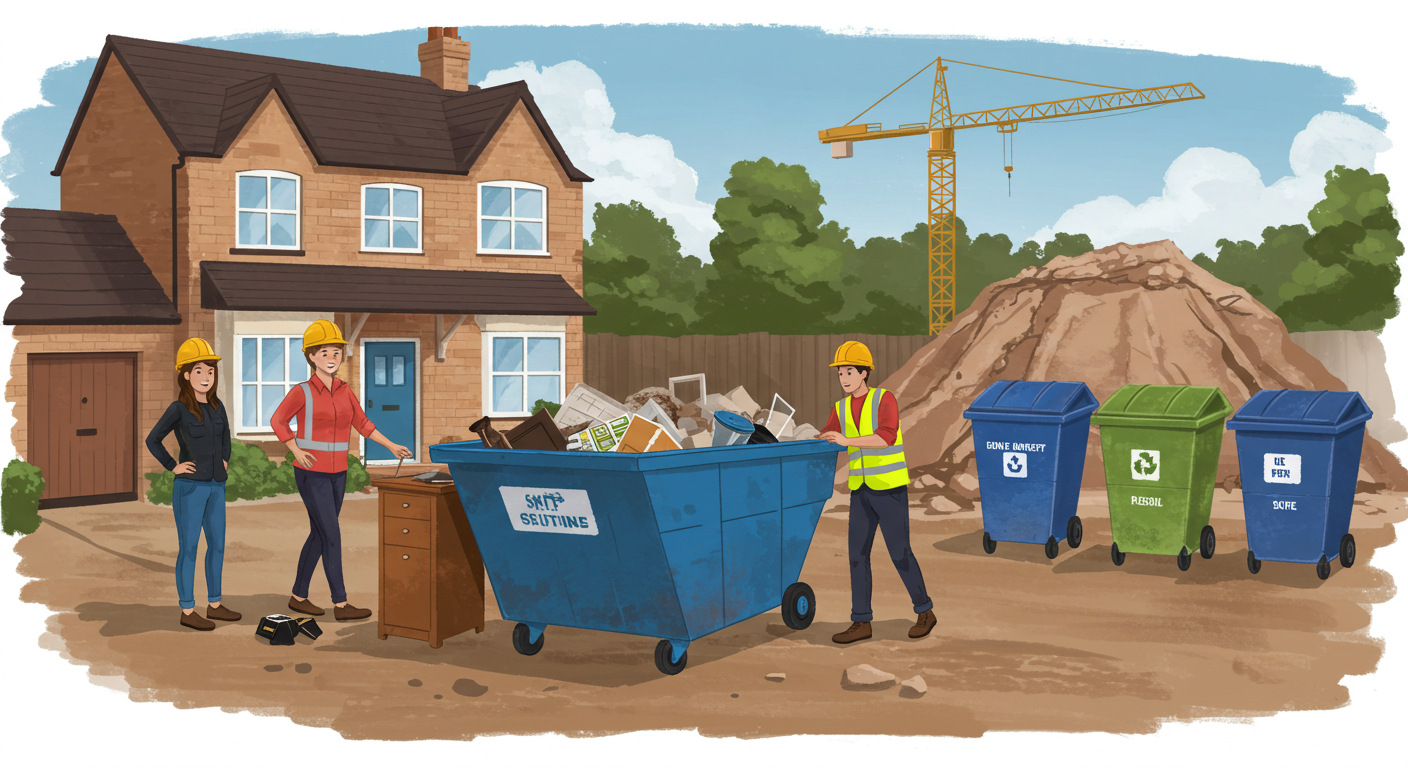
Skip hire is an essential service for demolition cleanup projects, one that often flies under the radar but plays a crucial role in ensuring efficiency and environmental responsibility. When buildings are torn down, a significant volume of debris needs to be managed effectively (and let's face it, it's not just about bricks and mortar; there's metal, glass, wood, and even hazardous waste to consider). This is where skip hire steps in as the unsung hero of demolition sites.
The process begins with selecting the right size of skip for the project. Sizes range from small mini-skips to large roll-on-roll-off containers, capable of holding vast amounts of waste. The choice depends on the scale of the demolition project and the type of materials being disposed of. For instance, heavier materials like concrete might require sturdier skips while lighter debris could fit comfortably in smaller ones.
Once selected, these skips are strategically placed on-site to facilitate easy access for workers who will be disposing of materials. It’s vital that skips are located conveniently while also adhering to safety regulations (after all, safety on demolition sites cannot be overstated!). A well-placed skip minimizes transit time between the point of waste generation and disposal, thereby enhancing productivity.
One might wonder about what happens once these skips are filled to capacity. This is where another advantage comes into play—most skip hire companies offer collection services that transport the filled containers to recycling facilities or landfills. The emphasis today is heavily on recycling and minimizing landfill use due to environmental concerns (we must protect our planet!). Many reputable skip hire firms sort through collected materials, separating recyclables from non-recyclables before final disposal.
Moreover, hiring skips can significantly reduce costs associated with demolition cleanups. Without them, site managers would have to arrange multiple trips with smaller vehicles or other inefficient methods for waste removal—which could prove costly both in terms of time and money. By consolidating waste removal into fewer trips with larger vessels like skips, projects run smoother and more cost-effectively.
Additionally, using a professional skip hire service ensures compliance with local regulations regarding waste management—a critical factor given stringent environmental laws governing construction sites today. Failing to comply can result in hefty fines or legal issues that no project manager wants to encounter!
In conclusion (and this bears repeating), skip hire is indispensable for any successful demolition cleanup project. It streamlines operations by managing large volumes of diverse waste efficiently while adhering to regulatory requirements. As we continue advancing towards more sustainable practices in construction and demolition industries alike—embracing such practical solutions becomes increasingly important not just for operational success but also for safeguarding our environment for future generations.